





 The Avia Solutions Group “Highflyers” Employee of the Year Awards recognize colleagues whose dedication, expertise, and achievements make a meaningful impact across the Group.
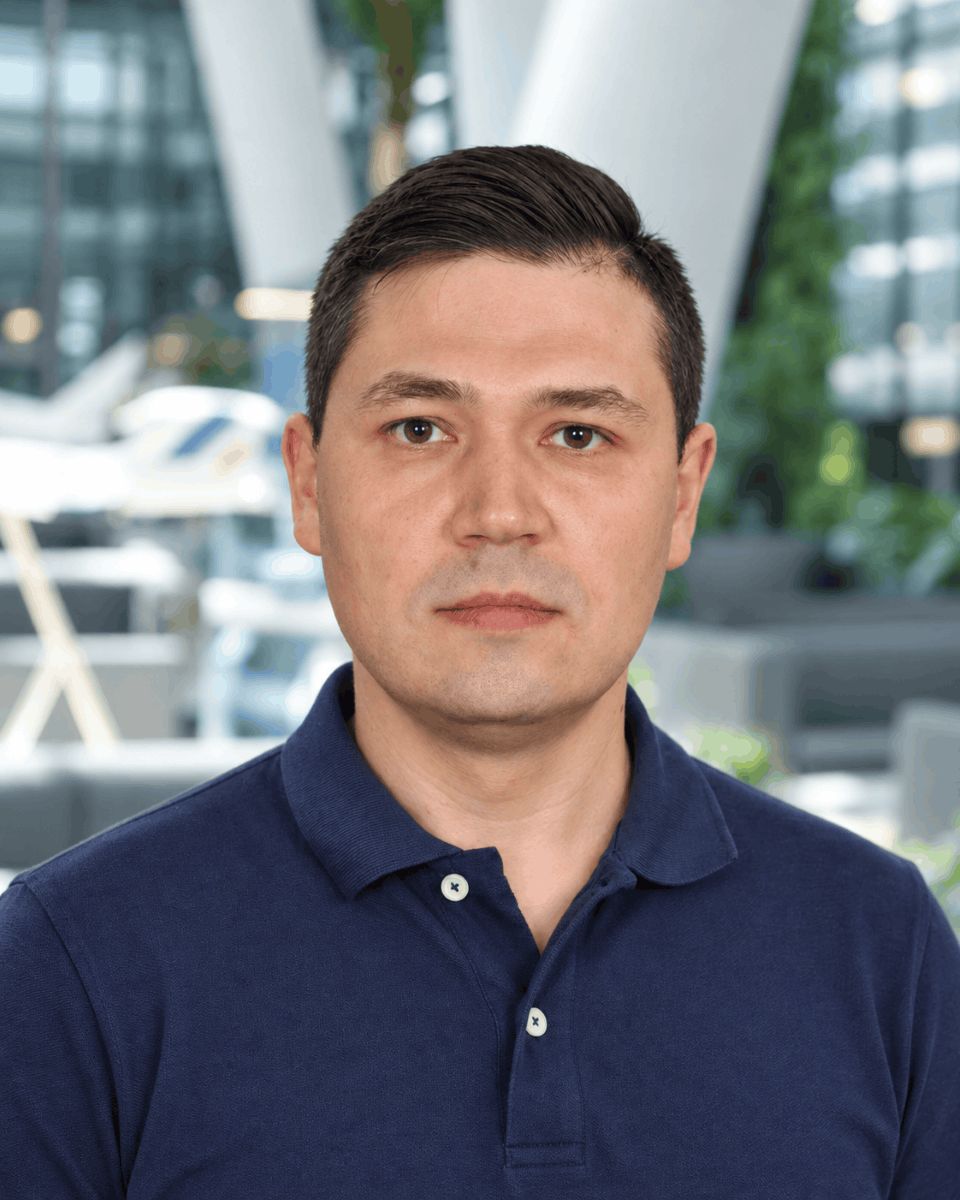
At the 2025 awards, Kirill Vasilev of BBN Airlines Turkiye won the Duty Devotion Award, recognizing his commitment to maintaining high standards in compliance and safety while taking clear ownership of increasingly complex regulatory processes.
In an environment where local and international requirements are constantly evolving, keeping manuals and procedures aligned requires both discipline and structure. For Kirill, there is no shortcut - effective compliance starts with getting the fundamentals right and building each additional control on top of a solid foundation.
“In my opinion, regulatory and procedural compliance is like a multi-layer pie: everything starts with a solid base,” Kirill explains. “Documentation needs to be reviewed item by item. After the base, we add a regulatory cross-compliance matrix to detect any gaps.”
Additional safeguards, including automatic notifications, regulatory checks and reminders, help strengthen that process. But ultimately, Kirill believes consistency comes down to a structured approach, clear priorities and careful time management.
That same discipline shapes Kirill’s understanding of ownership. In compliance work, where several departments and regulatory requirements can intersect, he believes clear responsibility is essential to avoid inconsistent approaches and accidental misalignment. For him, true ownership can be summed up simply as “one person for one job,” with the same person coordinating a process from beginning to end to maintain consistency.
The value of that approach has already been demonstrated in practice. One example was introducing a regulatory cross-compliance matrix for manuals, which allowed potential gaps to be identified and addressed ahead of multiple audits.
Compliance, however, cannot exist only on paper. For procedures to work effectively, Kirill believes they need to reflect the reality of day-to-day operations and be developed in close cooperation with the teams responsible for putting them into practice.
The guiding principle is straightforward: “Write what you do, do what you write.”
When a new or revised process requires coordination, it is first defined in practical terms and then checked against the relevant regulatory framework. Once introduced, the process is monitored to identify any discrepancies between the documented procedure and its actual implementation.
If an issue emerges, Kirill works together with the relevant operational teams to understand the root cause and make the necessary corrections. This helps ensure that procedures are not only compliant with regulations but also realistic for the people expected to follow them.
“In that case, we all know that the process is based on actual implementation and considers human-factor principles,” Kirill says.
Looking ahead to 2026, improving coordination across documentation is one of Kirill’s main priorities. From a compliance perspective, the focus is on reducing the repetition of the same sections across multiple manuals. When different departments amend overlapping content independently, discrepancies can emerge, making stronger coordination increasingly important.
Within Safety Management Systems, Kirill also wants to continue strengthening safety awareness across departments and ensuring that this development is reflected in the organization’s manuals and procedures.
Receiving the Duty Devotion Award has provided both reassurance and further motivation.
“Apart from the great honor of being recognized by the ASG Group, this award is confirmation that I’m doing my job well and a stimulus to strive for further improvement,” Kirill says.
Kirill also credits the support and trust of both the Flight Operations and SMS directors for contributing to his professional development. Their confidence and the freedom to take ownership within his area of responsibility have played an important role in his professional growth.
And when it comes to advice for future nominees, Kirill returns to one of the principles that underpins his own approach to compliance work:
“Task prioritization is the key to success. Otherwise, multitasking will turn into complete disorder.”
 Vilnius, Lithuania